Even the best equipment fails when the wiring behind it is wrong. Surge devices are built to react in microseconds, but a few bad connections can slow that reaction down or stop it completely. Understanding the real-world mistakes people make during surge protection device wiring diagram helps prevent silent system damage that often appears months later.
Poor Earthing Connection That Reduces Surge Diversion
Earthing mistakes are the most common and the hardest to spot. A loose clamp, rusty rod, or long wire can slow down discharge speed. The surge then splits across other lines instead of flowing cleanly to ground. Professionals always keep the earth lead short, straight, and separate from signal cables. That single step saves more equipment than any upgrade.
Excessive Cable Length And Coiled Wiring Problems
A neat-looking coil might impress a client, but electrically it acts like a choke. Each loop increases inductance and delays surge flow. Keep cables direct with gentle bends. If extra length cannot be avoided, run the wire flat and away from data lines. The shorter and straighter the path, the faster the SPD responds.
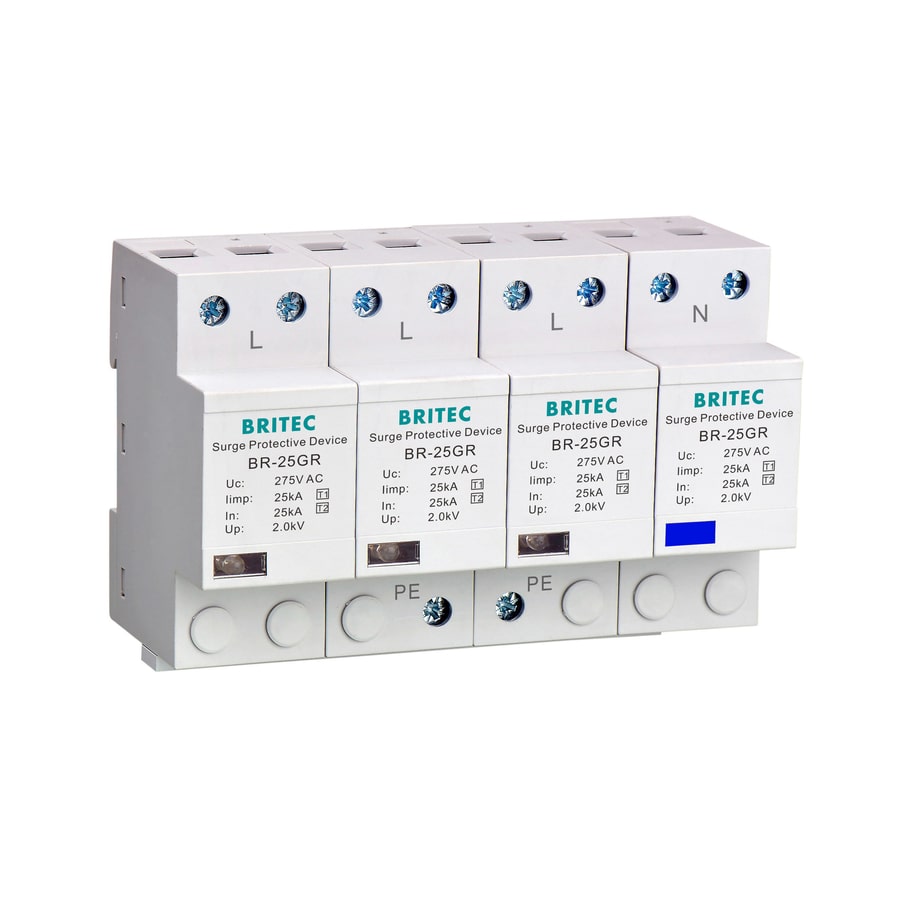
Forgetting Overcurrent Protection Between SPD And Breaker
The SPD needs its own backup fuse or breaker. Without it, a short inside the device can cut the main line or start overheating. Follow the coordination chart provided by the manufacturer; it shows which breaker type and rating pair safely with each SPD model. Installing without checking this data often causes false tripping or failed isolation during a surge.
Mixing Phases Or Wrong Terminal Labeling
It sounds simple, but mis-labelled wires still appear on many sites. Swapping neutral and live or connecting earth to the wrong bar means the SPD cannot discharge correctly. Always mark wires before tightening. A small paper tag or printed ferrule avoids hours of rework later and keeps future maintenance clear.
Steps To Check And Correct Wiring Errors Safely
Before powering up, inspect visually. Look for twisted leads, unmarked neutrals, and sharp bends. Then perform a continuity test between SPD earth and the grounding bar. If resistance is high, clean and retighten the joints. After energising, verify indicator windows show green. Record the readings; they help trace problems later if a surge occurs.
Clean wiring, short leads, tight earth, and proper coordination these are what make an SPD reliable. Pairing the setup with a single phase surge protector at key branch circuits builds the final shield against stray voltage. Once the wiring is right, the protection works every single time, whether anyone notices it or not.