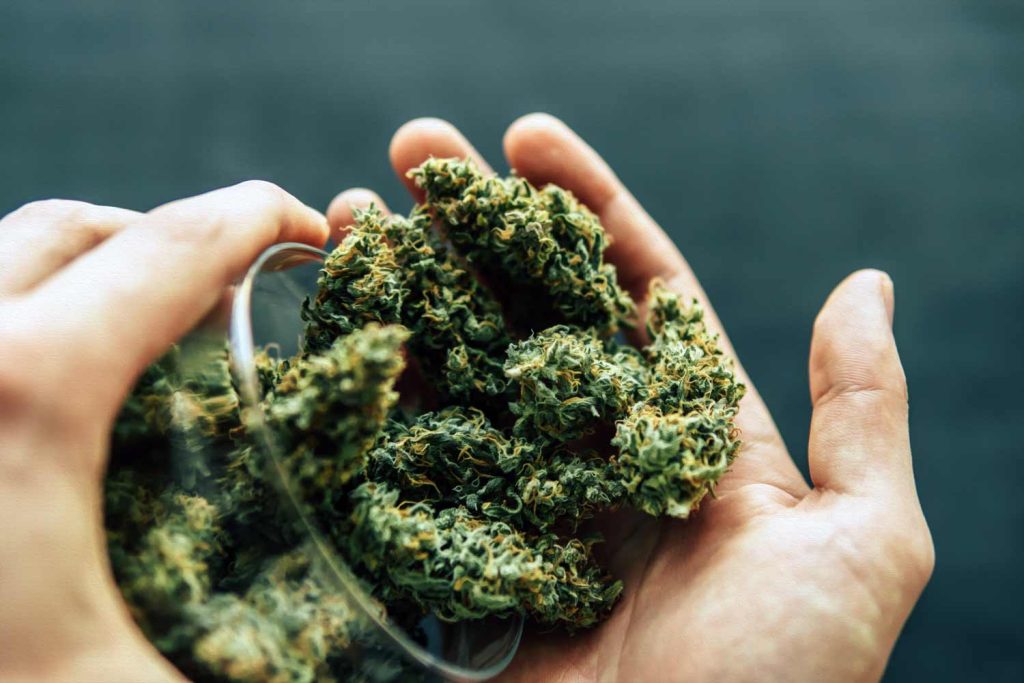
Raw cannabis carries THCA before significant heating occurs. The difference between thca and thc flower becomes clearer once heat enters. A carboxyl group separates THCA from its active counterpart. When heat removes that group, THC forms through decarboxylation. That reaction explains why preparation changes the final chemical profile.
THCA Starts As The Acidic Form
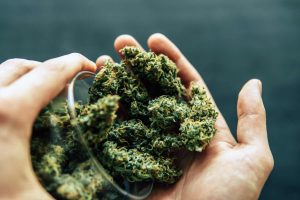
Before heating, cannabis flower contains substantial THCA. Its structure includes an extra carboxyl group. That small feature changes how the compound interacts biologically. THCA therefore does not behave like THC. Fresh flower can contain both compounds, though their amounts differ.
Storage can also influence this balance over time. Exposure to heat encourages gradual molecular change. Light and air can affect overall cannabinoid stability too. Still, temperature remains central to decarboxylation. The reaction needs enough energy to proceed.
Heat Removes One Chemical Group
Once sufficient heat reaches THCA, decarboxylation begins. During this reaction, carbon dioxide leaves the molecule. The remaining structure becomes THC. This change happens quickly under smoking conditions. Lower cooking temperatures allow slower conversion over longer periods.
Several preparation methods create different heating conditions:
- Smoking exposes flower to intense temperatures quickly.
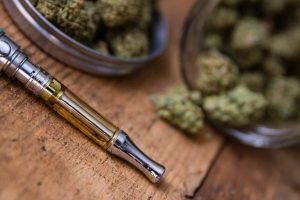
- Vaporizing uses controlled heat without direct burning.
- Cooking applies gentler warmth across longer periods.
- Raw use leaves more THCA unchanged.
The amount converted depends upon heat exposure. Therefore, preparation becomes part of the chemistry.
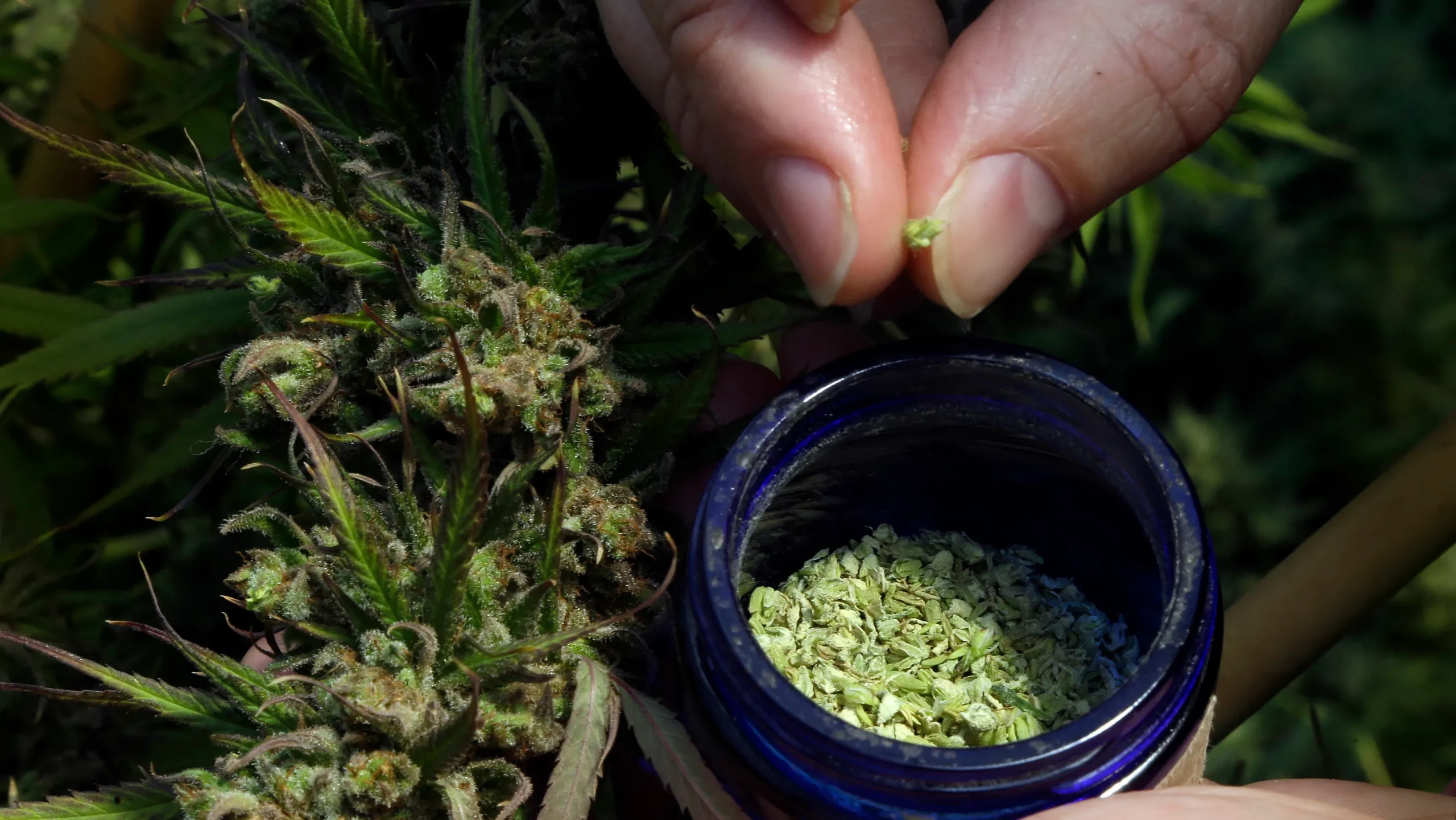
Flower Can Carry Both Cannabinoids
Untreated flower does not always contain only THCA. Small THC quantities can exist before heating begins. Genetics, cultivation conditions, storage, and handling influence cannabinoid levels. Laboratory testing can therefore report separate THCA and THC values.
Potency labels need careful interpretation for this reason. A THCA figure describes the acidic cannabinoid present. It does not represent the same thing as measured THC. After heating, some THCA may become THC. The final amount depends upon conversion efficiency.
Preparation Changes The Chemical Outcome
The difference between thca and thc flower becomes practical during preparation. Raw material preserves more acidic cannabinoid content. Heated material develops greater THC through decarboxylation. Temperature and duration both shape that transition.
Several factors can influence the final profile:
- Higher heat accelerates molecular conversion.
- Longer exposure allows further decarboxylation.
- Controlled temperatures offer greater consistency.
- Combustion introduces additional chemical changes.
Because preparation varies, identical flower can produce different results.
One Small Group Changes Everything
The carboxyl group provides the clearest chemical clue. THCA carries that group, while THC does not. Heat removes it during decarboxylation, producing carbon dioxide as a byproduct. That modest molecular adjustment changes receptor activity.
So, the practical difference begins before consumption. It starts with structure, then develops through heat. A flame therefore changes more than temperature. It changes the compound itself.