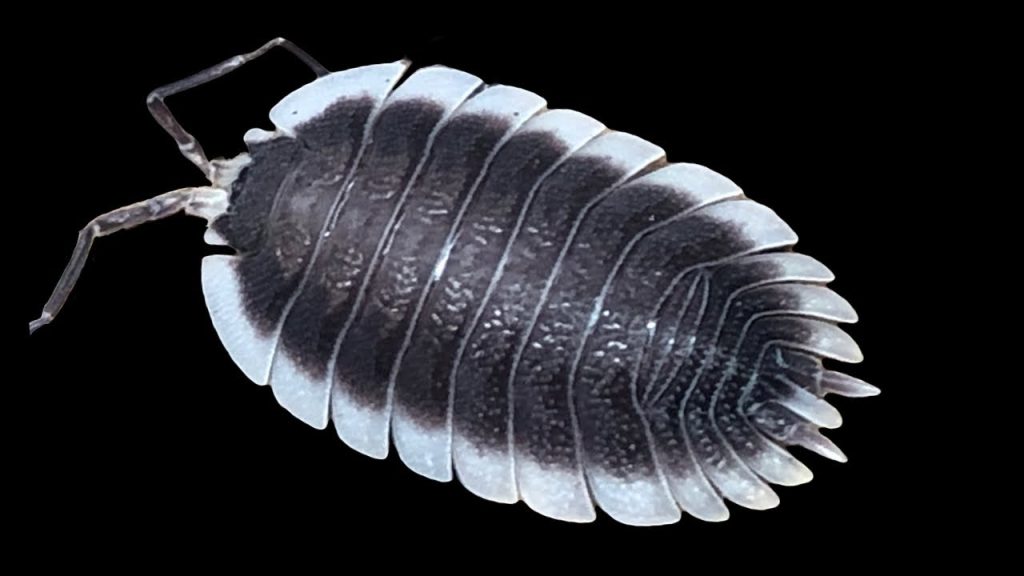
A quiet terrarium rarely stays unchanged after careful preparation. Fresh leaves settle across the surface while bark creates shaded spaces that seem empty at first glance. During a casual discussion between enclosure keepers, postpods came into the conversation while different habitat ideas were compared without interrupting the natural flow. Tiny movement appeared beneath loose substrate before disappearing again. Another looks a few moments later revealed a completely different scene, making ordinary evenings feel surprisingly interesting after busy working hours.
Calm Spaces Keep Changing
A peaceful enclosure carries small surprises without creating dramatic moments. Tiny tracks appear across loose substrate before fading naturally beneath fresh material. Moist corners attract gentle movement while brighter sections remain still for longer periods. The balance shifts quietly from one side of the habitat to another.
Working adults sometimes pause beside the enclosure after finishing daily responsibilities. A brief look gradually becomes several minutes because another small movement appears beneath bark or beside scattered leaves. That quiet routine comfortably replaces unnecessary screen time.
Quiet Evenings Feel Different
The room settles into silence while subtle movement continues beneath natural cover. Familiar corners suddenly become active before returning to stillness again. Fresh bark pieces create another sheltered route without changing the enclosure completely. Simple routines feel different because every evening reveals another unexpected detail waiting beneath the surface.
Small Habits Become Familiar
Morning observations rarely match the quiet activity seen later in the day. A bark shelter that looked empty suddenly reveals gentle movement beneath its edge. Loose substrate settles into fresh shapes without anyone changing the enclosure. Every return brings another small surprise waiting beside familiar decorations.
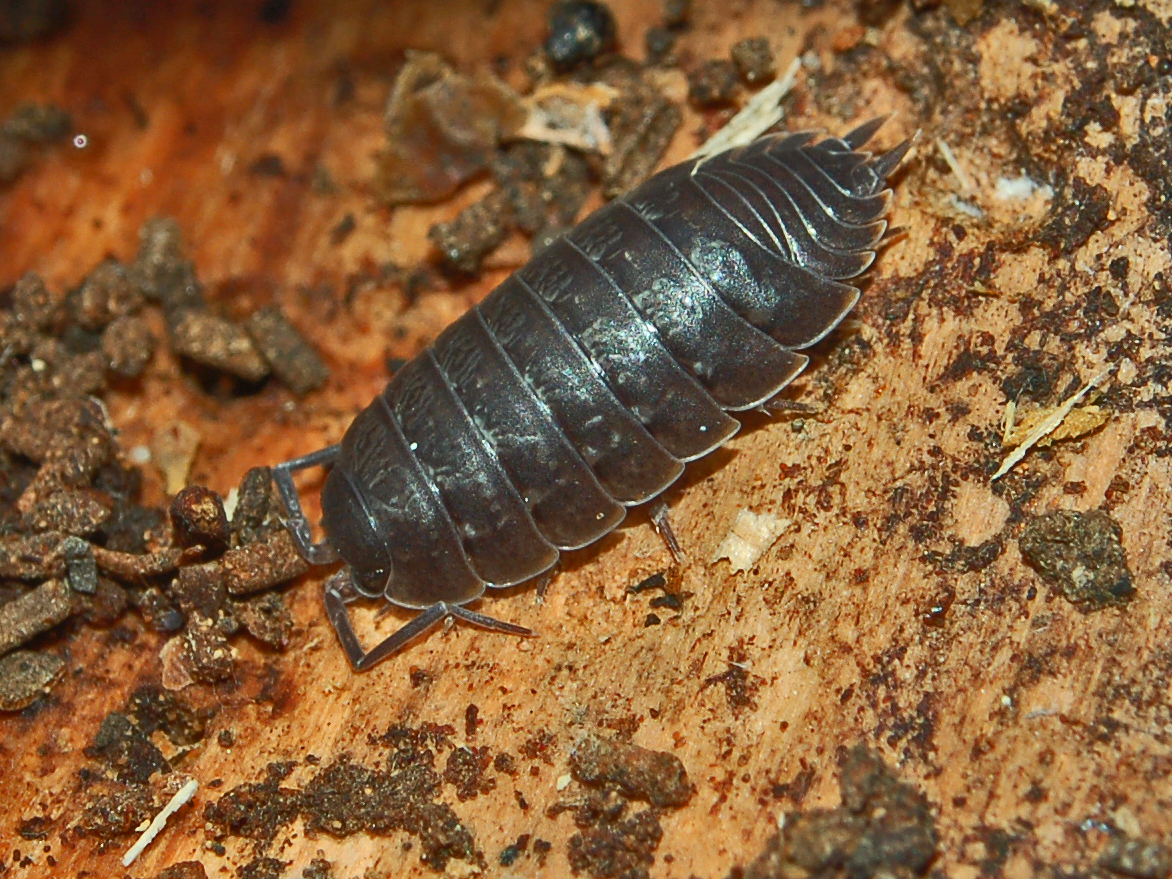
Conversations between hobby keepers gradually shift from enclosure designs toward different captive bred species. Fresh enclosure layouts attracted attention first, then millipedes for sale blended naturally into the discussion beside woodland materials and peaceful enclosure routines.Attention quickly returned to watching steady movement instead of talking about buying.
Gentle Routines Stay Enjoyable
Fresh moisture changes the appearance of one corner while another section remains dry. Tiny paths appear beneath soft leaf litter before quietly disappearing again. Familiar surroundings continue changing without demanding constant attention. The enclosure develops its own rhythm through ordinary daily care.
Busy workdays leave little spare time, yet a few calm minutes beside the glass feel worthwhile. Quiet observation replaces unnecessary adjustments. Another tiny movement beneath bark easily becomes the most interesting part of the evening without any dramatic changes taking place.
FAQ’s
Which materials suit a natural bioactive enclosure?
Leaf litter, cork bark, natural moss, wood pieces, and quality substrate create balanced surroundings.
Why do captive bred invertebrates suit enclosed habitats?
They settle comfortably within prepared environments, showing steady behaviour through regular enclosure maintenance.
Does every vivarium develop the same appearance?
No. Decoration choices, moisture conditions, enclosure layouts, and species activity create different results every time.